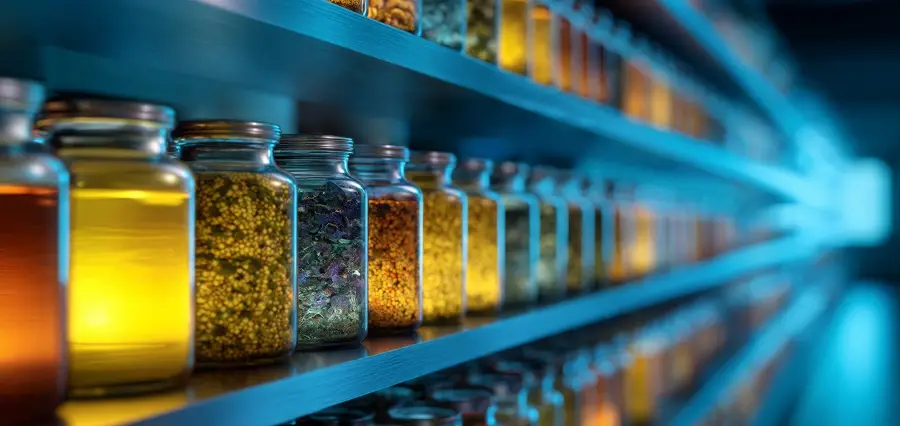
Farms and wild places both need a broad range of genetic material to get through changing weather, new diseases, and shifting demands. Wild habitats are shrinking, and old crop varieties keep vanishing from farms year after year. This is why scientists and policymakers turn to organized storage systems to hold on to what is left. A Gene Bank ranks among the best tools for this job, giving people a safe, well managed way to store seeds, tissue, and other genetic material for later use.
These places do more than lock samples away in cold rooms. A good Gene Bank tracks what it holds, tests samples, and shares genetic resources with researchers, breeders, and farmers who need them. That steady flow of material and information keeps genetic diversity useful rather than letting it sit untouched. Traits such as drought tolerance or pest resistance stay within reach whenever they are needed.
What Does a Gene Bank Actually Do
This kind of facility, at its most basic, collects and protects genetic material from plants, animals, and microorganisms. Seeds are usually the easiest form to store since they can stay alive for many years if kept cold and dry. A number of places also keep pollen, tissue samples, or frozen cells on hand for species that do not grow from ordinary seeds.
Each sample that arrives gets logged with details on where it came from, what it looks like, and when it was gathered. That record lets researchers track down the traits they need quickly, say a wheat type that resists a certain fungus or a vegetable suited to dry soil. Stored genetic material is not worth much without solid records behind it, even if the material itself stays alive.
Why Genetic Diversity Deserves This Level of Protection
Genetic diversity gives crops and animals room to adapt. Once a crop is stuck with a narrow gene pool, a single disease or one rough season can hurt the entire food supply. History offers a clear warning here. During the Irish potato famine of the 1840s, farmers depended on mostly one type of potato, and a fungus wiped out harvests across the country within a few seasons.
Saving this diversity is about more than dodging disaster. It also keeps doors open for future breeding work, medical research, and efforts to bring damaged land back to life. A Gene Bank makes that possible by holding on to genetic material that could otherwise vanish for good once a habitat is destroyed or an old crop variety falls out of use.
Core Principles and Considerations Behind Gene Bank Management
Running a solid conservation program takes more than shelf space. A handful of principles and considerations guide how these places gather, care for, and share genetic material properly.
One is sampling that actually represents a species. Collectors try to bring in the full range of genetic variety, not just part of it, which means covering many regions and pulling samples from different groups. Seeds also get tested for viability from time to time and regrown to confirm they still sprout.
Legal and moral questions shape how these places run too. International rules govern how genetic material crosses borders, and many groups have to balance open access for research against fair treatment of the people and countries the material came from originally. Skip these principles and considerations, and disputes over ownership or missed chances at cooperation tend to follow.
How Samples Are Collected and Stored
Field teams work alongside local farmers, botanists, and conservation groups to find plants worth saving. Once gathered, samples are cleaned, dried, and checked for viability before going into long term storage. Most places keep backup copies in separate spots so a single disaster cannot wipe out the whole collection. Some backups even end up in vaults carved into mountains or bedrock, where steady cold and distance from conflict or equipment trouble add an extra layer of safety for the world’s most valuable crop varieties.
Regrowing samples is just as routine. Seeds lose their ability to sprout as time passes, so part of each batch gets grown out periodically, allowed to produce new seeds, then returned to storage. This keeps the collection alive and usable for the next wave of researchers and farmers.
Balancing Modern Needs With Long Term Conservation Goals
Climate change has pushed this work higher up the priority list. Rising temperatures, shifting rain patterns, and new pests mean a trait nobody cared much about ten years ago could matter a great deal tomorrow. A Gene Bank hands breeders a wider set of genetic tools, letting them respond faster than field testing alone would allow.
New tools have reshaped how these places operate as well. Online databases let researchers anywhere search collections without traveling, and gene sequencing helps flag useful traits without growing out every sample. Even so, the basic standards behind good collection and storage have barely budged, and no piece of software can stand in for careful fieldwork and honest recordkeeping.
Conclusion
Protecting genetic diversity does not stop once samples reach a storage vault. It calls for steady work on collection standards, viability checks, legal duties, and cooperation across countries. A Gene Bank sits at the center of that effort, giving researchers, farmers, and future generations access to the raw material needed to help crops and ecosystems handle a changing world. Stick to solid principles and considerations at every step, and these places can help make sure genetic diversity lasts long enough to matter. The work rarely makes headlines, but it quietly underpins food security, medicine, and the health of entire ecosystems for decades to come.