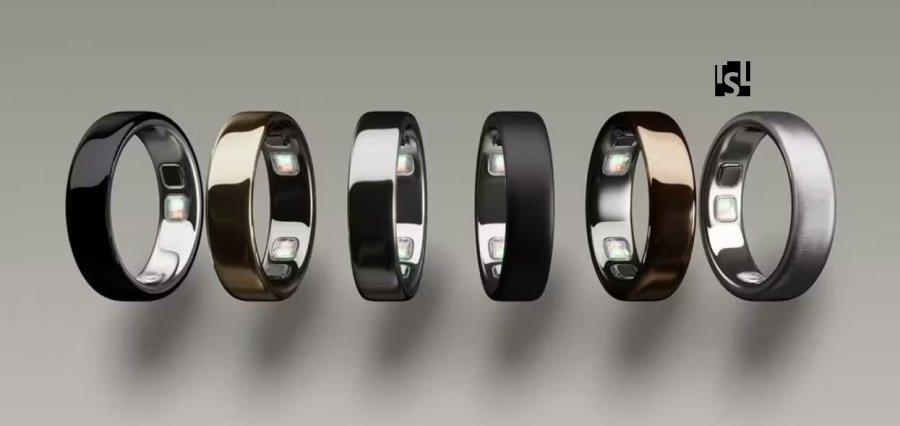
Prime Highlights :
- Oura is reportedly seeking up to $3 billion in a US IPO, valuing it above $16 billion.
- Oura expects revenue to near $2 billion in 2026, up from $1 billion in 2025.
Key Facts :
- Oura is a Finland- and San Francisco-based smart ring maker with over 900 employees.
- Oura filed confidentially for an IPO in May.
Background :
Smart ring maker Oura is planning to raise as much as $3 billion in a United States initial public offering that could happen as early as next month, according to a report. The offering reportedly values the company at more than $16 billion, with existing investors expected to sell a significant portion of shares.
The San Francisco and Finland-based company has more than 900 employees. The new valuation marks a sharp rise from the $10.9 billion figure Oura received last September, when it closed an $875 million Series E funding round. Fidelity, ICONIQ, Whale Rock, and Atreides backed that round, joining earlier investors including Dexcom, The Chernin Group, Forerunner Ventures, Coatue, and Temasek.
Oura confidentially filed for an IPO in May. The company has reported $500 million in revenue for 2024 and roughly $1 billion for 2025, and it expects sales to approach $2 billion in 2026.
Competition in the wearables market has intensified. Samsung entered the space with its Galaxy Ring two years ago, while rival Whoop expanded beyond fitness tracking into hormone and thyroid health monitoring, pushing its own valuation to $10 billion in March.
Oura also faces legal scrutiny. A proposed class action lawsuit filed in San Francisco in the third week of August accused the company of overstating the accuracy of its sleep-tracking technology. Responding over the same weekend, an Oura spokesperson said the company would contest the claims and stated that independent studies had validated its sleep-staging technology against clinical polysomnography standards.